
Processor-agnostic tokenization is one of the least discussed but most concrete strategic advantages of payment tokenization. Those using their PSP's proprietary tokens discover the problem only when they want to switch gateway: existing tokens are not valid on the new processor, and re-collecting card data from thousands of customers is an expensive, risky and often impossible operation. The multi-PSP model solves this problem at the root.
The vendor lock-in problem with PSP-specific tokens
Almost all PSPs offer a tokenization system integrated into their gateway. The operation is simple: the PAN is transmitted to the PSP, which stores it and returns a token valid only on their platform. The merchant uses this token to authorise recurring payments, manage card-on-file and enable features like one-click checkout. The problem is structural: the token is unusable outside the ecosystem of the PSP that generated it.
When the merchant wants to negotiate lower commissions with another PSP, add a second processor for redundancy or migrate to a gateway with more advanced features, they face a wall. All stored tokens are worth zero on the new PSP. The only alternative is to ask customers to re-enter card data, with abandonment rates that in subscription businesses can reach 20-40%. Card data portability is therefore a commercial matter, not just a technical one.
Processor-agnostic tokenization: how it works
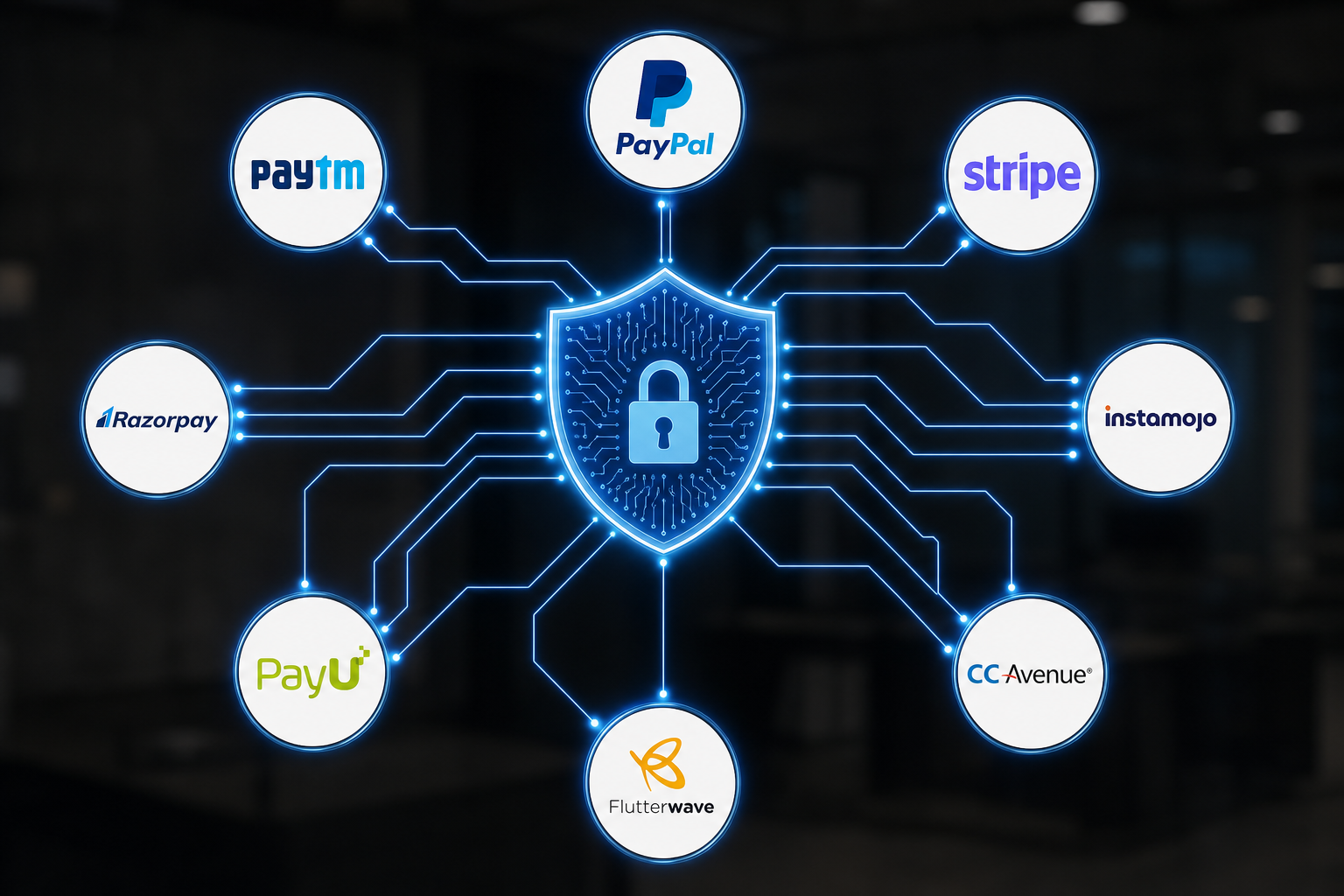
With a processor-agnostic approach, the token vault is independent of any PSP. The flow is as follows: the card data is transmitted directly to the external vault (like PCI Proxy EU), which encrypts it, stores it in a PCI DSS Level 1 certified CDE and returns a token. When the merchant wants to process a payment on a specific PSP, they send the request to the vault indicating the destination PSP: the vault de-tokenizes internally, transmits the PAN directly to the PSP via a secure connection, and the merchant never sees the data in cleartext.
Switching PSP with this architecture is a purely configurative operation: the new PSP is added to the vault, the processing endpoint is updated in the merchant's code, and existing tokens continue to work without modifications. There is no data migration, no service interruption and no request to customers to re-enter card information. The vault remains the central point connecting card data to any processor, present or future.
Multi-PSP strategy: resilience and negotiation
Processor-agnostic tokenization enables a real multi-PSP strategy: using multiple processors in parallel to maximise acceptance rate, reduce commissions and increase operational resilience. In case of downtime on one PSP, traffic can be automatically redirected to an alternative processor without impact on the end user. In case of fraud concentrated on a single PSP, risky transactions can be routed to a second processor with different risk policies.
From a commercial perspective, having the freedom to switch PSP at any time strengthens the merchant's negotiating position. A PSP that knows it can easily be replaced has less leverage to raise commissions or impose unfavourable conditions. Card data portability is not a technical detail: it is a strategic asset worth as much as the database of customers stored in the vault.
Frequently asked questions
Are PCI Proxy EU tokens valid with any PSP?
PCI Proxy EU tokens are PSP-independent. The vault manages the token-PAN mapping and transmits the card data directly to the selected PSP at the time of payment. The same token can be used to process payments on Adyen, Stripe, Nexi, Worldpay or any other integrated PSP, without duplicating data or requiring new tokenizations.
How do I migrate tokens from a PSP to PCI Proxy EU?
Migration requires the current PSP to make PANs in cleartext available for transfer to the new vault. This process, called token migration, is managed with secure protocols between the PSP and PCI Proxy EU. Alternatively, new tokens are generated progressively as customers make transactions, without service interruptions.
Can I use multiple PSPs in parallel with the same tokens?
Yes. With processor-agnostic tokenization, the same token can be used to send transactions to different PSPs in parallel. This is the foundation of the multi-PSP architecture: intelligent routing, automatic failover and commission optimisation across different processors, all with a single set of tokens stored in the vault.
Want to break free from PSP-specific token lock-in and enable a real multi-processor strategy? Discover PCI Proxy EU.